Why Water Testing Is Important After Florida's Summer Storm Season in Northeast Florida
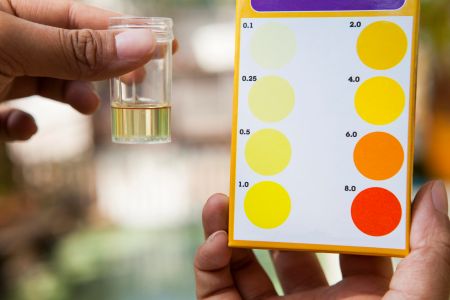
Each year, Northeast Florida rides out a long season of hurricanes and tropical storms. Heavy rain, storm surge, and floodwater can change what is happening below your lawn and inside your well. That is why timely water testing in Northeast Florida is one of the smartest steps a homeowner can take after a major weather event. If testing shows a problem, our team at Advanced Pump Service can guide you to the right solution with proven water treatment services built for local wells.
How Summer Storms Disrupt Groundwater In Northeast Florida
When inches of rain fall in a day, the ground cannot absorb it fast enough. Water races across streets and yards, picking up bacteria, fertilizers, and oils along the way. That runoff can seep into shallow groundwater and seep into private wells, especially if the well cap is older or the lot stays soggy for days.
Along riverfronts, tidal creeks, and low-lying neighborhoods from the beaches to inland communities, storm surge and king-tide flooding can also push salty water into freshwater zones. Even after the streets look dry, the underground mix may stay changed for weeks.
What Can Get Into Your Well After Hurricanes, Tropical Storms, And Flooding
- Bacteria and viruses from soil and floodwater, including total coliform and E. coli
- Nutrients like nitrate and nitrite from landscaping runoff
- Fine sediment that makes water cloudy and can clog fixtures
- Metals that naturally occur in local soils, stirred by rapid water table changes
- Pesticides, fuels, or solvents carried by surface water during flooding
- Saltwater intrusion near tidal waterways and storm-surge areas
Even a small amount of any of these can affect taste, odor, staining, and the safety of the water you cook with and drink.
Safety reminder: If your wellhead was underwater at any point during a flood, do not drink from the tap until a professional test confirms it is safe. Quick visual checks are not enough in our coastal climate.
Clear Signs Your Water Quality May Have Changed
Not all problems show up right away, but watch for these common changes after a storm:
- Sudden sulfur or “rotten egg” smell, metallic taste, or salty flavor
- Cloudiness, sand, or grit that was not there before
- Orange, brown, or blue-green staining in sinks and tubs
- Family members with stomach discomfort after drinking tap water
- Pump short-cycling or filters clogging faster than normal
If you notice any of the above, treat it as a warning. Do not assume the water will “clear up on its own.” Issues that begin with one storm can continue as the aquifer settles.
When To Schedule Water Testing In Northeast Florida After A Storm
Hurricane season runs June 1 through November 30, and fall flooding can linger. A good rule of thumb is to test after any event that causes flooding on your property, a multi-day power outage for your well system, or if you see changes in taste, color, or odor. Many homeowners also like a baseline test in late spring, then a follow-up after the last major storm of the year. That way you can compare results and catch small shifts before they become big problems.
What Professional Post-Storm Testing Typically Includes
Every home is different, but a solid post-storm screening usually measures:
• Bacteria indicators such as total coliform and E. coli for safety
• Salinity and chloride to check for saltwater influence
• Turbidity, pH, hardness, and alkalinity for how water behaves in your home
• Iron, manganese, and other common metals that affect staining and taste
• Nitrates and, when appropriate, broader scans for pesticides or solvents
At Advanced Pump Service, a licensed technician samples from the correct points in your system and follows proper handling so the lab results are trustworthy. We then review the report with you in plain language and map the best path forward.
Why Professional Testing Beats Quick Strips Or Guesswork
Over-the-counter strips can be helpful for curiosity, but they are not designed to diagnose storm-related contamination. They often miss bacteria and volatile compounds and can be thrown off by cloudy water. A professional test uses calibrated equipment and certified labs, which means you get a reliable picture of what changed and how serious it is. Accurate data saves time and protects your family’s health.
How Storms Affect Pumps, Plumbing, And Treatment Equipment
Water quality shifts do more than change taste. Grit and silt can wear pump components. High iron and manganese can foul softeners and filters. Saltwater intrusion can corrode fixtures and heater elements. Finding the cause early allows us to adjust filter media or add protection before damage spreads through the system.
Treatment Paths Based On Your Results
No two wells are the same, and there is no one-size solution. Depending on your lab results and goals, we may recommend options such as sediment pre-filtration, activated carbon for taste and odor, disinfection for microbiological risks, or systems that address minerals and salts. The aim is to make your water clean, consistent, and safe for daily life, while keeping your pump and plumbing protected.
If your report points to more than one concern, a staged approach often works best. Solve the most urgent safety item first, then build a simple, durable setup that is easy to service. You can review common approaches and how they work by exploring our local water treatment services.
Local Context: Why Our Region Is More Vulnerable
Northeast Florida’s flat terrain and sandy soils drain quickly in some places and hold water in others. Many neighborhoods border marshes, tidal creeks, or retention ponds. During a slow-moving tropical storm, water has more time to pick up contaminants before it sinks into shallow aquifers. On barrier islands and along intracoastal areas, storm surge can push salty water inland, and that salt can linger underground long after the roads are dry.
Even inland, heavy rain can float septic fields or wash lawn chemicals toward your well. That is why routine testing and right-sized treatment are part of living comfortably in our coastal climate.
Common Myths That Can Put Families At Risk
“My water looks clear, so it’s fine.” Many contaminants are invisible. Bacteria and nitrates have no color or odor. Only lab testing can confirm safety.
“We shocked the well once; we’re covered.” Disinfection may be part of the answer, but it does not fix salt, metals, or long-term runoff issues. Follow-up testing verifies results and guides next steps.
Your Next Step: Test, Review, And Protect
If you want a quick primer on the process and options, our main site has guidance on water testing in Northeast Florida and care for private wells. When you are ready, Advanced Pump Service can schedule a visit, gather samples correctly, and review the lab report with you. From there, we help you choose practical solutions that fit your home and water use.
What To Expect When You Work With Advanced Pump Service
1) A local technician arrives on time and inspects your wellhead and equipment for storm impacts. 2) We collect water samples and submit them to a certified laboratory. 3) We sit down with you to explain results, answer questions, and outline clear options. 4) If treatment is needed, we design a simple system that is easy to maintain and built for Florida weather.
Our approach is friendly and no-pressure. You will know exactly what was tested, what the numbers mean, and how to keep your water reliable through the rest of the season.
Stay Ready For The Next Storm
After a test confirms your water is safe and stable, a simple maintenance plan helps keep it that way. Filter changes and quick checks are scheduled around the seasons that matter here. Think of it like a tune-up for your home’s most important appliance: the tap. With consistent care, you can cook, bathe, and hydrate with confidence all year long.
Protect Your Home’s Water Today
Storms are part of life in our region. Being proactive with testing and treatment is how you stay in control. If a recent system change, taste issue, or flood has you concerned, call Advanced Pump Service at 904-203-7468. We are ready to help you test, understand, and treat your water so your family can enjoy it again. To get started, schedule a visit and explore local solutions through our water treatment services.