Why Regular Pump Inspections Are Essential in Jacksonville, FL’s Wet Season
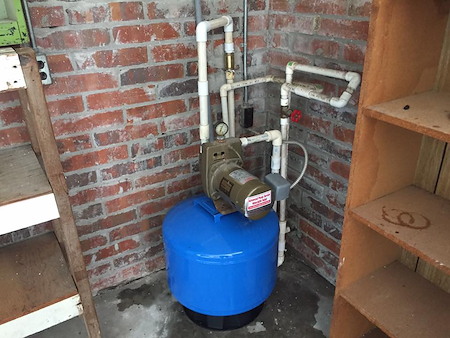
Florida’s wet season can turn a quiet afternoon into a fast downpour. In Jacksonville, that means your sump, irrigation, and even commercial pump systems may be asked to move a lot of water in a short window. A scheduled pump maintenance visit gives you confidence that everything starts on time, moves water where it should, and shuts off cleanly when the rain passes.
If you want a big-picture view of your options, you can also review pump inspection in Jacksonville, FL resources on our site before you book. The goal is simple: fewer surprises, less risk of flooding, and more peace of mind when the radar lights up.
What Florida’s Wet Season Means for Your Pumps
From late spring through early fall, Jacksonville sees quick, heavy bursts of rain along with tropical influences near the St. Johns and the Beaches. Yards in San Marco, Riverside, and Avondale collect runoff differently than newer lots in Mandarin or the Northside. A proper inspection looks at how your system reacts to these patterns so it can handle sudden inflow without strain.
- Short, intense storms test start-up reliability and discharge capacity.
- High water tables near creeks and marshes can push moisture into crawl spaces and low garages.
- Wind-driven rain at the Beaches stacks water against doors and patios, demanding fast pumping.
Ignoring how local rain actually behaves around your property is a common reason pumps fall behind. A pro checks the whole path from intake to discharge so water does not circle back toward your foundation.
Why a Professional Pump Inspection in Jacksonville, FL Pays Off
Routine inspections protect comfort and property value. They also prevent small issues from turning into big ones right as the sky opens. For homes and facilities across Jacksonville, the most valuable benefit is uptime. When storms line up, you want dependable flow, not troubleshooting.
- System readiness: verifies switches, controls, and start-up response under realistic load.
- Capacity review: confirms the pump curve and discharge route fit your lot and rainfall patterns.
- Wear detection: finds early signs of fatigue in motors, seals, and check valves.
- Safety review: ensures power and grounding are appropriate for wet environments.
Do not attempt to service electrical components or open equipment near standing water. A licensed technician will evaluate performance safely and document next steps if anything needs attention.
Sump Pumps: Stay Ahead of Crawl Space and Basement Moisture
Many Jacksonville homes sit low or have tight crawl spaces that trap humidity after a storm. Sump systems in older areas like Murray Hill and Springfield can run long after the rain stops if capacity or discharge is mismatched. A professional inspection confirms that your sump activates quickly, moves water out efficiently, and shuts down without short cycling. Constant cycling after light rain is a red flag that deserves a same-week visit.
For homeowners who have dealt with damp corners or musty smells, a seasonal check verifies the health of the whole chain so moisture never gets a chance to linger.
Local insight: Afternoon pop-up storms in Jacksonville often arrive with brief power blips. That moment is when tired components fail. A pre-season inspection helps ensure reliable start-up so your system keeps pace when the rain hits hard.
Irrigation Pumps: Keep Landscapes Green Without Wasting Water
Jacksonville yards can switch from dry to saturated in an hour. If your irrigation pump competes with storm runoff or a sump discharge, pressure and flow can swing at the worst time. A coordinated inspection looks at the irrigation schedule, priming, and discharge routes so the system supports your landscape without fighting your drainage. If you manage zones around the Intracoastal or in Mandarin’s sandy soils, consider a quick review of your setup along with an irrigation pump checkup.
Commercial Pump Systems: Protect Uptime When Storms Hit
Facilities around Jacksonville rely on circulation, lift, and transfer pumps to keep operations steady. A single outage during a summer squall can stall production, impact tenants, or close public areas. Professional inspections for commercial systems focus on reliability and clear documentation. That means verifying performance against expected flow, checking alignment and vibration, and confirming that controls engage as designed under load.
For property managers in Downtown, Southside, and the Port corridor, the cost of downtime far exceeds the time it takes to schedule preventive checks. A structured plan helps your teams stay ahead of weather, planned maintenance, and seasonal demand shifts.
How Often Should Jacksonville Homes and Businesses Schedule Pump Inspections
Timing depends on property type, age of equipment, and exposure to heavy runoff. Most homes benefit from a pre-season inspection before storms become a daily pattern, then a quick review mid-season if performance drifts. Commercial sites often follow a set cadence to align with building operations and rainy season risk. Your technician will recommend a schedule that fits your system and location.
What to Expect From Advanced Pump Service
Our team focuses on the whole picture. We evaluate sump, irrigation, pool, fountain, and well equipment so your systems work together when rain ramps up. We also bring neighborhood context to every visit. Lots near tidal creeks behave differently than upland parcels, and our plan accounts for it.
Want an easy seasonal read? This article pairs well with our recent post on spring pump maintenance tips for Jacksonville homeowners. If you prefer to dive right into service details, review the scope of pump maintenance we provide and how it keeps you ready for Florida weather.
Real-World Scenarios Around Jacksonville
San Marco and Avondale often see fast, shallow pooling that punishes undersized discharge lines. Riverside and Ortega homes with mature trees collect leaf litter that can slow water movement if the route is not planned well. Near the Beaches and Atlantic Boulevard, wind-driven rain pushes hard against low thresholds, which demands quick start-up and reliable shutoff to prevent backflow toward doors. In Northside industrial sites, lift and transfer systems support daily operations while also managing stormwater during afternoon cells.
In each case, the fix is not a bigger pump by default. It is a tuned system where capacity, routing, and controls match how rain shows up on your block.
Simple Signs It’s Time to Call
- Pump runs long after storms or restarts frequently without moving much water.
- Rattling, vibration, or new electrical smells when equipment starts.
- Water pooling near the discharge point or splashing back toward the foundation.
- Visible corrosion on housings or fittings, especially after heavy rain weeks.
Treat these as early warnings. A quick check now is far better than drying floors or pausing operations later.
Stay Ready for Florida’s Wet Season
Whether you manage a home in Arlington or a facility near the river, the right inspection schedule keeps you ahead of the weather. Read a seasonal overview on our blog or explore related services like well and irrigation support so every part of your system works in sync when storms arrive day after day.