How Summer Rainfall Impacts Well Water Quality in Northeast Florida
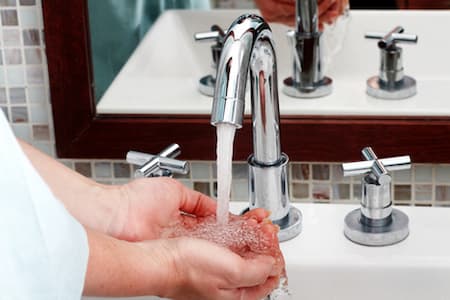
Afternoon downpours and tropical systems are part of life in Jacksonville. They also change well water quality in Northeast Florida fast. When rain hits hard, runoff and shifting groundwater can carry fine sediment, bacteria, and other contaminants toward private wells. Protecting your family starts with routine water testing and the right treatment plan.
For a big-picture overview, you can review well water quality in Northeast Florida resources and then schedule a professional visit when storms pick up.
Why Summer Rain Changes Well Water in Jacksonville
Our region sees quick, heavy bursts of rain that raise the water table and move soil in a hurry. As water flows across yards, driveways, and construction sites in neighborhoods like Mandarin, Arlington, Riverside, and the Northside, it can nudge fine silt and microbes toward shallow well zones. Coastal areas from the Beaches to Intracoastal-adjacent streets add tidal swings to the mix, which can shift salinity and stir up natural minerals.
Even if your well never “floods,” fast recharge after a storm can disturb the aquifer near your casing. That movement pulls in tiny particles and can introduce bacteria through a loose cap or a low wellhead. The result is sudden changes in taste, smell, or clarity the next time you turn on the tap.
What Summer Storms Can Stir Up In Your Well
Homeowners around Jacksonville, Orange Park, and Fleming Island often notice water changes within a day of a big storm. Common issues include:
- Sediment that makes water look cloudy or tea colored
- Bacteria, including total coliform or E. coli when surface water gets in
- Iron and manganese that leave orange or black stains
- Tannins from decaying vegetation that add a slight earthy tint
- Hydrogen sulfide that causes a rotten-egg odor, especially in hot water
These problems do not fix themselves. They usually point to a water chemistry shift that needs testing and a targeted solution from local pros. If you want the fastest path to safe, good-tasting water, ask about well water treatment services that are matched to Northeast Florida aquifers and your home’s flow rate.
Clear Warning Signs After Heavy Rain
Call a professional if you notice one or more of the following after a downpour or tropical system:
- Sudden cloudy water, grit in the glass, or a tea tint that lingers
- New metallic taste, bitter notes, or that sulfur smell at the sink
- Orange, brown, or black stains on fixtures and laundry
- Short cycling or pressure swings as the pump fights sediment
- Water that clears after a minute but returns each morning
Never drink discolored or foul-smelling well water after a storm. Changes like these are your early alert that testing and treatment are due.
Testing That Protects Your Home
Private wells are not monitored by the city. That means the safe move after severe rain is to schedule a professional water test. A Jacksonville-focused panel typically checks for total coliform and E. coli, iron and manganese, pH and hardness, hydrogen sulfide, tannins, turbidity, and sometimes nitrates near waterways like the St. Johns or Julington Creek.
Timing matters. If your yard flooded, or if the wellhead sat in standing water, get a test as soon as access is safe. If you only notice mild changes, test within a few days so results reflect post-storm conditions. Your baseline from the rest of the year makes it easier to spot a true shift.
Curious about today’s options? This overview on how modern water treatment systems safeguard your florida home explains how current technology tackles sediment, odor, and microbes without overcomplicating maintenance.
Treatment Solutions Matched To Northeast Florida Wells
There is no one-size system for every house from San Marco to the Westside. The right setup depends on your chemistry and flow. In our area, solutions often include:
Targeted filtration for sediment and minerals. Properly sized sediment filtration clears cloudy water and protects appliances. If iron or manganese drive stains, media-based filtration with the right oxidizing step usually solves it.
Disinfection for bacteria. If testing finds coliform or E. coli, your pro may recommend shock disinfection and an ongoing ultraviolet system to neutralize microbes before they reach your tap.
Carbon and specialty media for taste and odor. Catalytic carbon can strip gases that cause sulfur odor and polish taste across the home.
Softening for scale control. Where hardness is high, softening helps keep water heaters efficient and fixtures clear of film.
Every component must be sized to your home’s plumbing and your well’s production. That is why working with a local pump services team matters. When you are ready to solve a post-rainwater issue, review water treatment in Northeast Florida with Advanced Pump Service and choose a plan based on lab results, not guesswork.
Local Factors Around Jacksonville That Matter
Soils across Northeast Florida drain fast, which helps lawns dry out but can push fine silt toward shallow wells. Coastal homes near the Intracoastal and Jacksonville Beach sometimes see taste changes after windy, high-water weeks. Older wells around Springfield or Murray Hill may have lower wellheads or worn caps that invite runoff if water pools.
In newer parts of Mandarin, Oakleaf, and the Northside, quick development can mean shifting grades and more stormwater on the move. If your wellhead sits low or you have ongoing construction nearby, plan extra vigilance each summer. Keep your well cap secure and raised above grade so surface water has fewer ways in.
Keep Your Pump And Well Working Together
Water quality and pump health go hand in hand. Sediment after a storm can make a pump work too hard, while a tired pressure tank can shake loose more debris from plumbing. If your system sounds different after rain, or if pressure swings, book well pump service along with water testing so your equipment and water chemistry are reviewed at the same time.
When issues follow heavy weather, a coordinated visit prevents repeat callbacks. Your technician can confirm flow, check valves, and verify that treatment is placed where it protects both your water and your pump.
Where Northeast Florida Homeowners See The Biggest Payoffs
Testing and treatment do more than clear the glass. They protect fixtures and appliances across your home. Stain-free showers, better-tasting coffee, and steady pressure feel great day one. Over time, reduced scale and sediment lower the chance of untimely breakdowns.
Families across Jacksonville, from Riverside bungalows to beachside cottages, often tell us the biggest relief is confidence. You know what is in your water and how it is managed. That peace of mind is worth securing before the next line of storms forms on the radar.
Ready For Clear, Safe Water All Summer?
If heavy rain has your tap looking or smelling different, Advanced Pump Service can help. Start with a professional test and a tailored plan for your home. Explore local options for well water treatment services, then call us at 904-203-7468 to schedule a visit. If your pump needs attention too, our team can handle that in the same appointment.